Promotional price valid from 15/10/2026 to 31/10/2026.
Limited to existing stock.
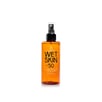
YOUTH LAB Wet Skin Dry Touch Tanning Oil SPF50 provides a healthy-looking tan while protecting against damaging UV rays.
YOUTH LAB Wet Skin Dry Touch Tanning Oil SPF50 provides a healthy-looking tan while protecting against damaging UV rays. To that end, its non-comedogenic and vegan formula is enriched with beta-carotene that stimulates the natural tanning process, since it increases the natural production of melanin. Also, this product has a 2-in-1 action, since it not only enhances tanning but also has a high concentration of UVA/UVB filters, conferring an elevated sun protection. Moreover, this waterproof oil has an innovative "Wet Skin Application" technology, allowing you to apply the product even on wet skin. That way, you will be able to enjoy overall outdoor activities fully protected against the sun's damaging factors. Above all, this easy to apply product has a scented dry-touch texture, therefore offers a more comfortable feeling on the skin with a slight note of watermelon, rose and magnolia. All in all, this dermatologically-tested oil leaves the skin fresh, radiant and with a silky touch.
Apply YOUTH LAB Wet Skin Dry Touch Tanning Oil SPF50 throughout the body, face and neck, 30 minutes before sun exposure. Reapply frequently to maintain a perfect sun protection, especially after sweating or swimming.
In this section we answer frequently asked questions about YOUTH LAB Wet Skin Dry Touch Tanning Oil SPF50 200ml
Sunscreen gets its protective power from ingredients called sun filters, which fall into two groups. "Mineral" is the common name for inorganic filters, of which there are only two: zinc oxide and titanium dioxide. "Chemical" is the common name for organic filters, which are carbon-based compounds and cover multiple different ingredients. A mineral sunscreen uses only inorganic filters, a chemical sunscreen uses only organic filters, and a sunscreen that combines both is known as a hybrid.
Both types of filters mainly protect the skin by absorbing UV radiation. Mineral filters, along with a few organic ones, also reflect a small portion of it.
SPF measures protection against UVB radiation. In the EU, the highest SPF on a cosmetic sunscreen label is SPF50+, which corresponds to the "very high protection" category and is used when the measured SPF is 60 or higher.
Some sunscreens, usually designed for specific skin conditions, are classified as medical devices rather than cosmetics, and these can show higher values, such as SPF100.